



The Government of Nepal has officially declared 2027 as "Wellness Tourism Year." To support this, the Ministry of Culture, Tourism, and Civil Aviation has introduced a 10-year Wellness Tourism Strategy (2026–2035) and a 5-year Action Plan (2026–2030) to transform the country into a premier destination for health and healing.
The Ministry plans to focus on four main areas: spa and massage, Ayurveda clinics, yoga and meditation, and natural healing and spirituality. Officials believe that Nepal's mix of natural beauty and spiritual heritage makes it one of the best places in the world for wellness.
Big Goals for the Next Five Years
The government has set ambitious targets to boost the economy and improve the tourist experience:
- Increase Arrivals: The goal is to grow the number of wellness-focused international tourists by 11% within five years.
- New Centers: By 2030, the government plans to build integrated wellness centers in at least five major regions.
- Quality Standards: A national wellness standard and code of conduct will be ready by the end of 2027 to ensure high-quality service.
- Job Creation: The strategy aims to train and certify 2,000 new workers in the wellness sector by 2030. At least 30% of these new jobs will be reserved for women, youth, and local community members.
- High Satisfaction: The government hopes to reach a tourist satisfaction score of 8.5 out of 10 by 2035.
Where will these Wellness Hubs be?
Specific locations have been chosen to offer different types of healing experiences:
- Kathmandu Valley: Will focus on spiritual and cultural integration.
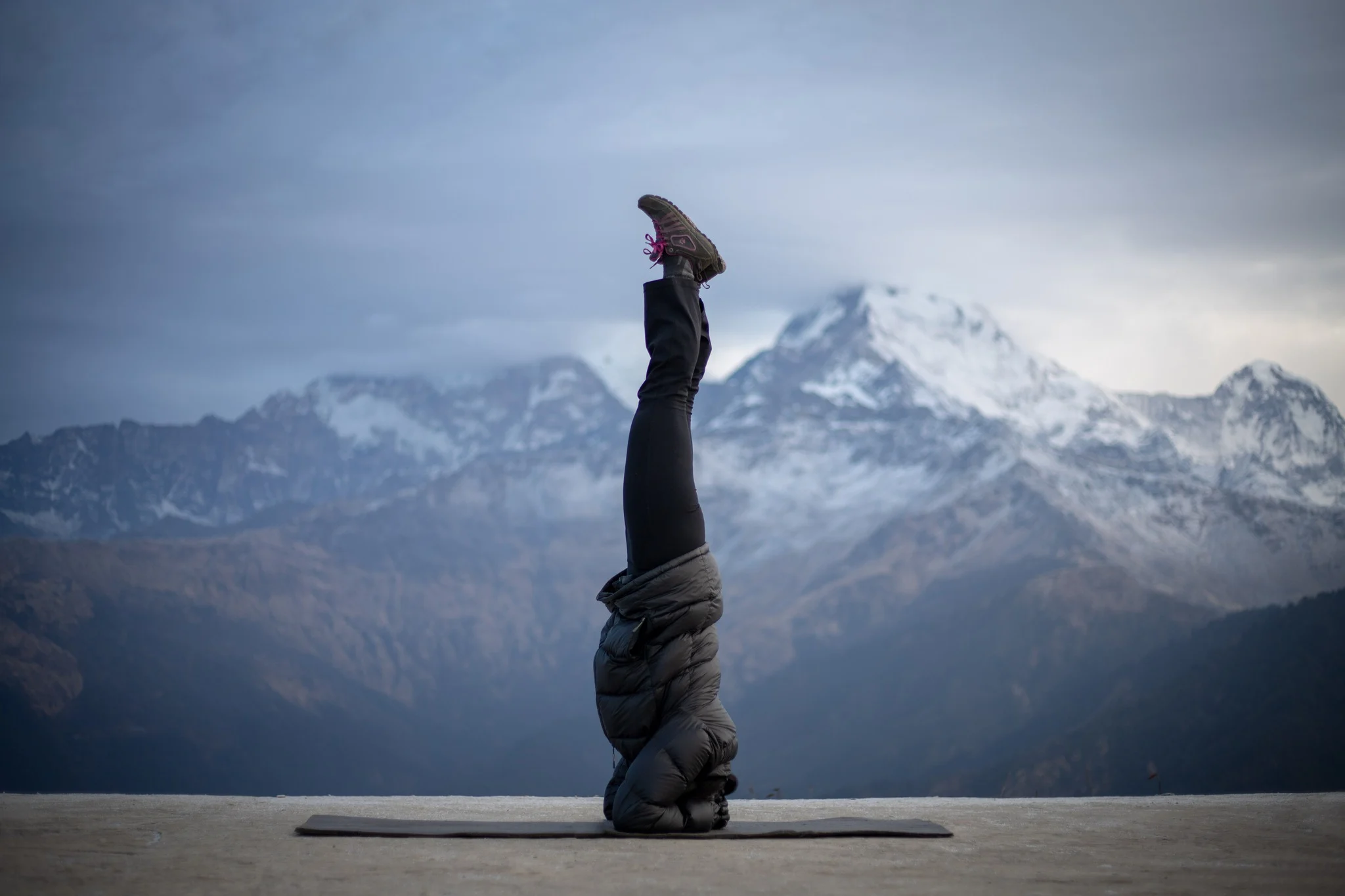
- Pokhara and Annapurna: Will be developed as the "Yoga Capital" and a place for nature retreats.
- Lumbini: The birthplace of Buddha will become a major Spiritual Wellness Center with monastery retreats.
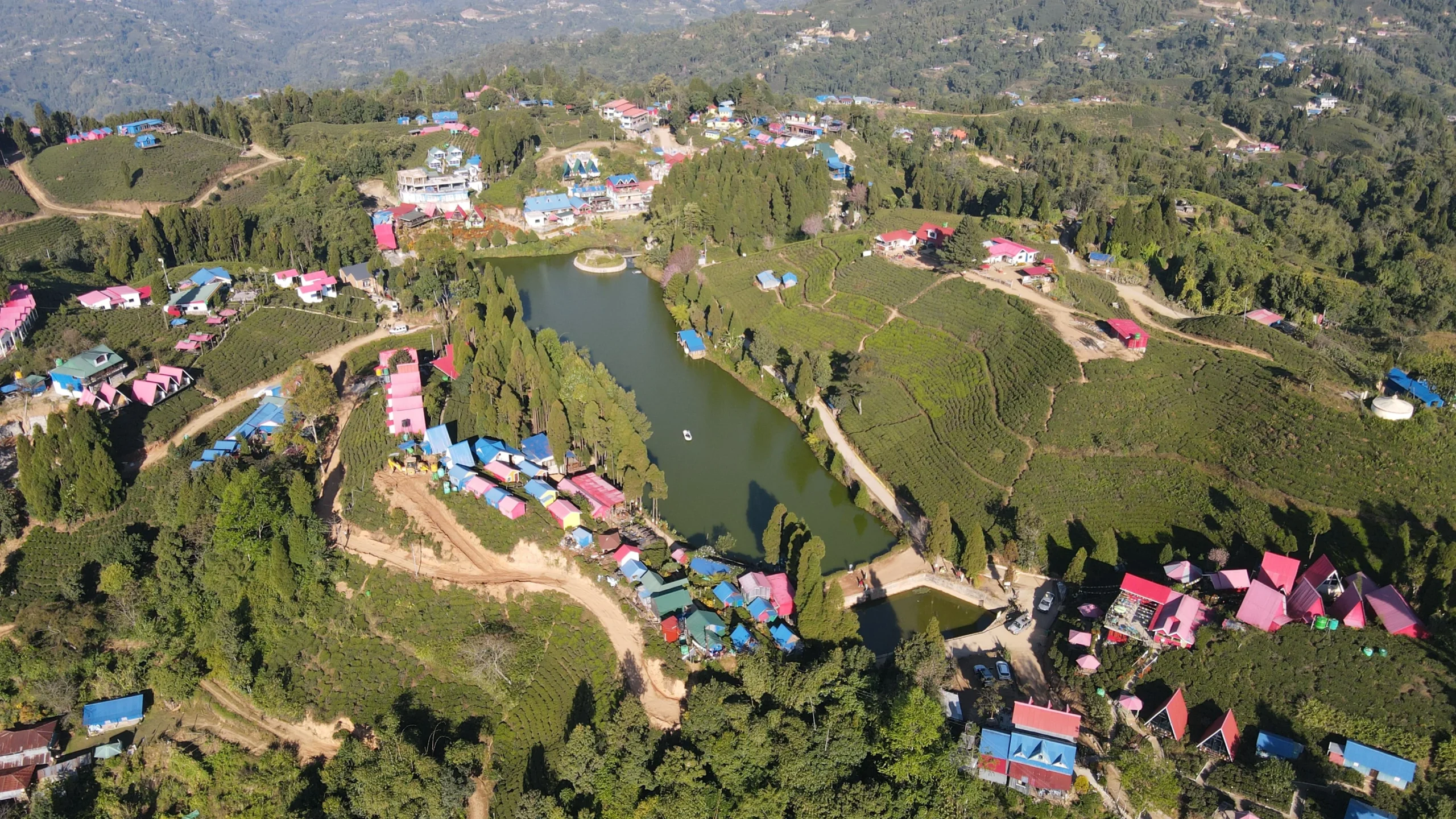
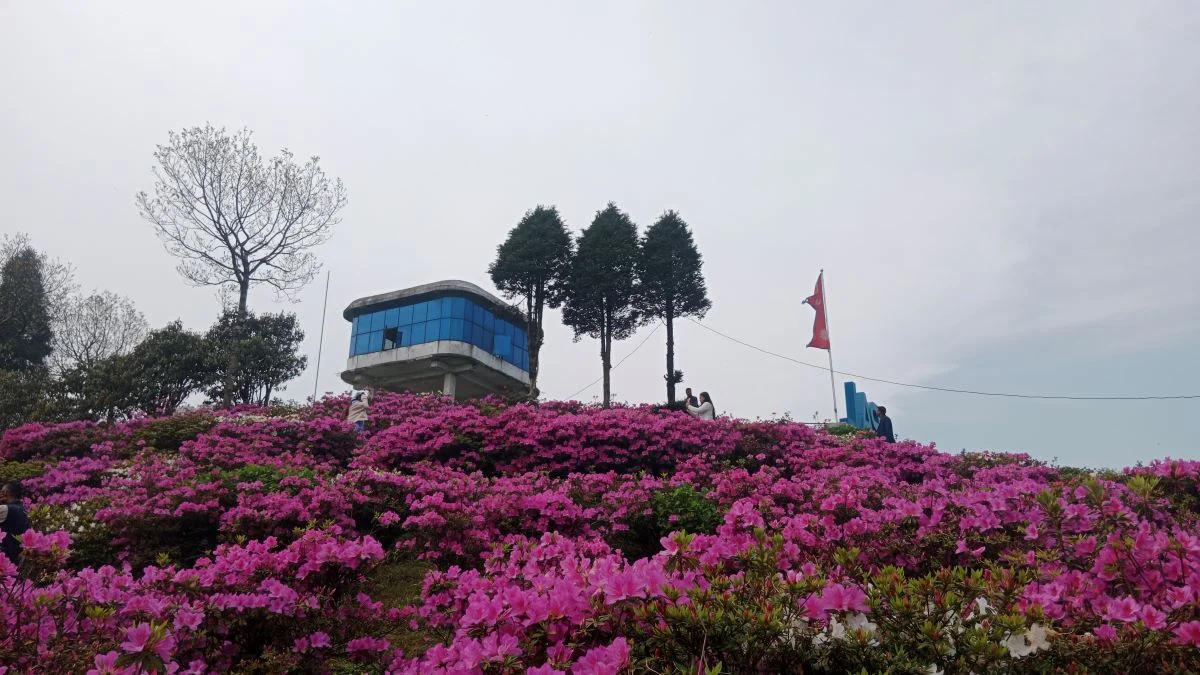
- Hill Stations (Nagarkot, Dhulikhel): Will host eco-retreats and community wellness villages offering organic food and traditional herbal treatments.
- High Himalayas (Manang, Mustang): Will offer high-altitude wellness and remote spiritual programs.
Seasonal Wellness Programs
The plan includes special activities for different times of the year to keep tourists coming year-round:
- Monsoon (July–September): Focus on "Monsoon Detox".
- Winter (December–February): Programs to boost immunity.
- Spring (March–June): Focus on rejuvenation.
- Autumn (October–November): "Gratitude" and harvesting wellness programs.
Investment and Economic Impact
The government is looking for private partners to build international-standard retreats in Kathmandu or Pokhara by late 2027. The Investment Board Nepal has already prioritized wellness tourism for future funding.
The financial goals are also clear. Between 2026 and 2027, the government expects to earn up to $2 million from premium wellness services. By 2030, they aim to grow this to $20 million to $30 million annually.
Target Markets
Nepal is looking to attract travelers who want long stays for yoga teacher training, silent meditation, or Ayurvedic detox.
- Top Priority: USA, Germany, UK, and Australia.
- Secondary Markets: Japan, South Korea, India, and the Middle East.
- Emerging Interest: China, Brazil, and France.
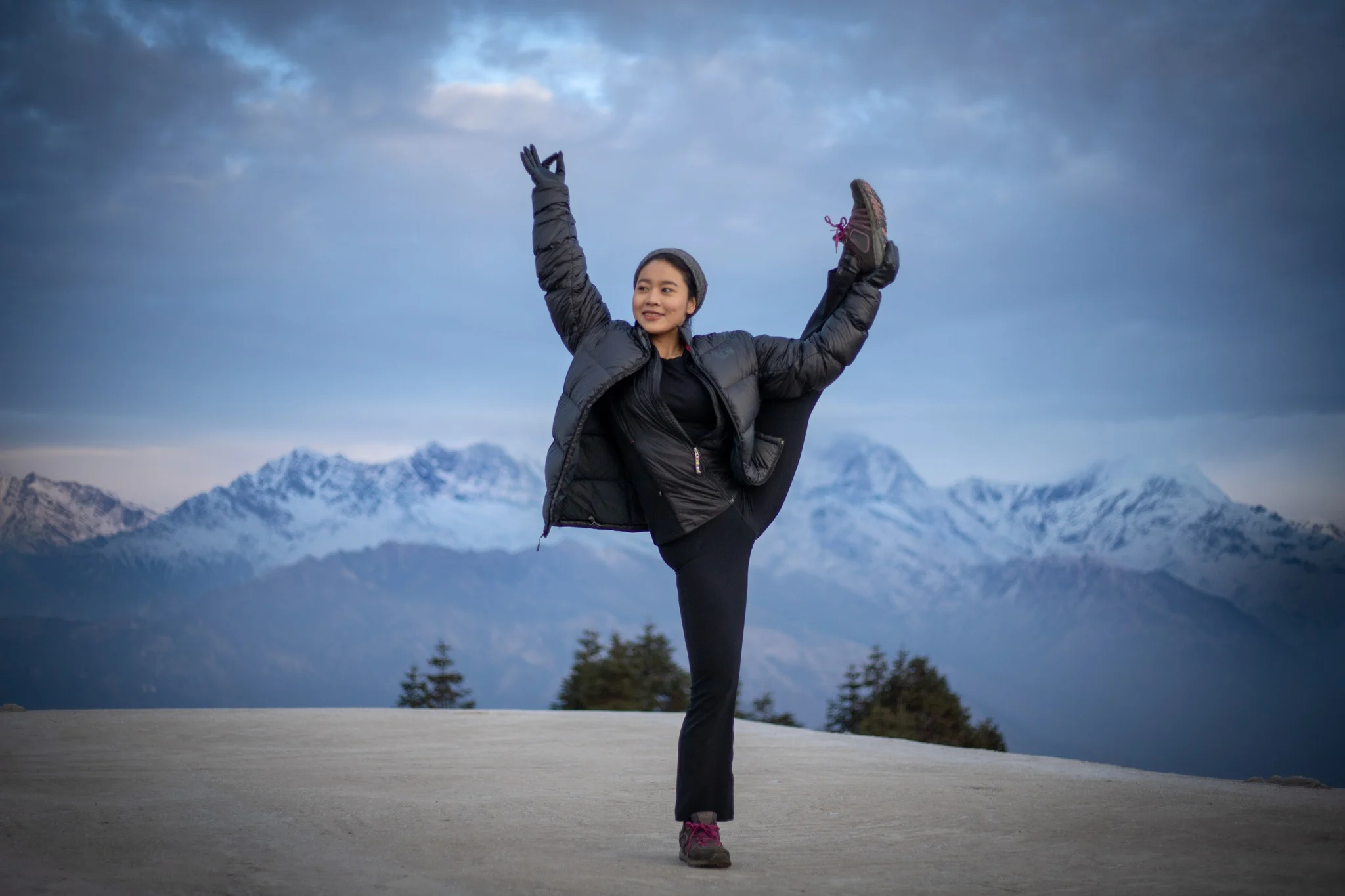
The launch of the Wellness Tourism Strategy marks a significant shift in Nepal’s approach to global travel. By moving beyond traditional mountaineering and trekking, the government aims to utilize the country’s natural spiritual heritage to create a sustainable and high-value industry.
With clear targets for infrastructure development in Pokhara, Lumbini, and Kathmandu, as well as a focus on training thousands of local workers, Nepal is positioning itself to lead the global wellness market by 2035.
If implemented successfully, this strategy will not only preserve Nepal's cultural and natural beauty but also provide a major boost to the national economy through specialized services like Ayurveda, Yoga, and meditation.
Pictures: Nepal Tourism Board


Leave a Reply